Is Yogyakarta worth visiting?
Yes, if you want Javanese culture, temples, batik, gudeg, art and a Java city that still feels useful beyond the headline sights.
Yogyakarta travel planning
Practical Jogja planning for temples, batik, gudeg, airport routes, where to stay and first-trip decisions without turning every old street into a mystical revelation.
Short answer
Yogyakarta, usually called Jogja, is worth visiting if you want Javanese culture, batik, gudeg, temples, art and a practical Java travel base. Stay central, choose your temple days carefully, solve the YIA arrival before you land, and do not confuse cheap logistics with good logistics.
Plan by order
Jogja works best when the basics come first: base, airport, temple strategy, food and batik. After that, you can add art, markets, Merapi, Gunungkidul or Solo without making the trip feel like a transport exam.
Start here
These pages answer the questions that decide whether Yogyakarta becomes a clean Java stop or a sweaty chain of temple, taxi and hotel decisions.
Malioboro/Tugu, Prawirotaman, Kraton-area and airport logic without vague neighborhood poetry.
ArrivalAirport train, taxi, app car and transfer trade-offs from YIA to the city center.
Things to doTemples, Kraton, batik, food, markets and art sorted by realistic trip planning.
SafetyCalm safety advice for traffic, scams, nightlife, solo travel and normal city awareness.
Temple dayTicket type, structure access, transport choices and why this is not a casual city hop.
FoodGudeg, angkringan, bakpia, kopi joss and what to order when sweet food surprises you.
BatikBatik tulis, batik cap, printed fabric, workshops and how not to pay craft prices for print.
Yogyakarta basics
Yes, if you want Javanese culture, temples, batik, gudeg, art and a Java city that still feels useful beyond the headline sights.
Two full days gives you the city plus one major temple plan. Three days is cleaner. Four days gives room for batik, Kotagede, food, art or Solo.
YIA airport train times, Borobudur ticket types, Prambanan hours, event dates, workshop availability, drivers and holiday crowds can change.
Yogyakarta areas
Yogyakarta is easier when the hotel, station, airport route and first stops line up. Malioboro/Tugu is the default; Prawirotaman is the softer guesthouse base; the airport area is not a city base.
The easiest first-timer base for train access, central orientation, shopping and low-friction arrival.
GuesthouseCalmer guesthouse and cafe base when you do not need to sleep beside the busiest central strip.
CultureBest when palace context, old-city walks and culture are the point. Check night movement and pickup access.
AirportUseful for late arrivals or early departures. Bad as a default base if your trip is actually in the city.
Explore by problem
This hub stays broad on purpose. Use the cards below when the next question is arrival, temples, food, batik, shopping, areas, itineraries or event timing.
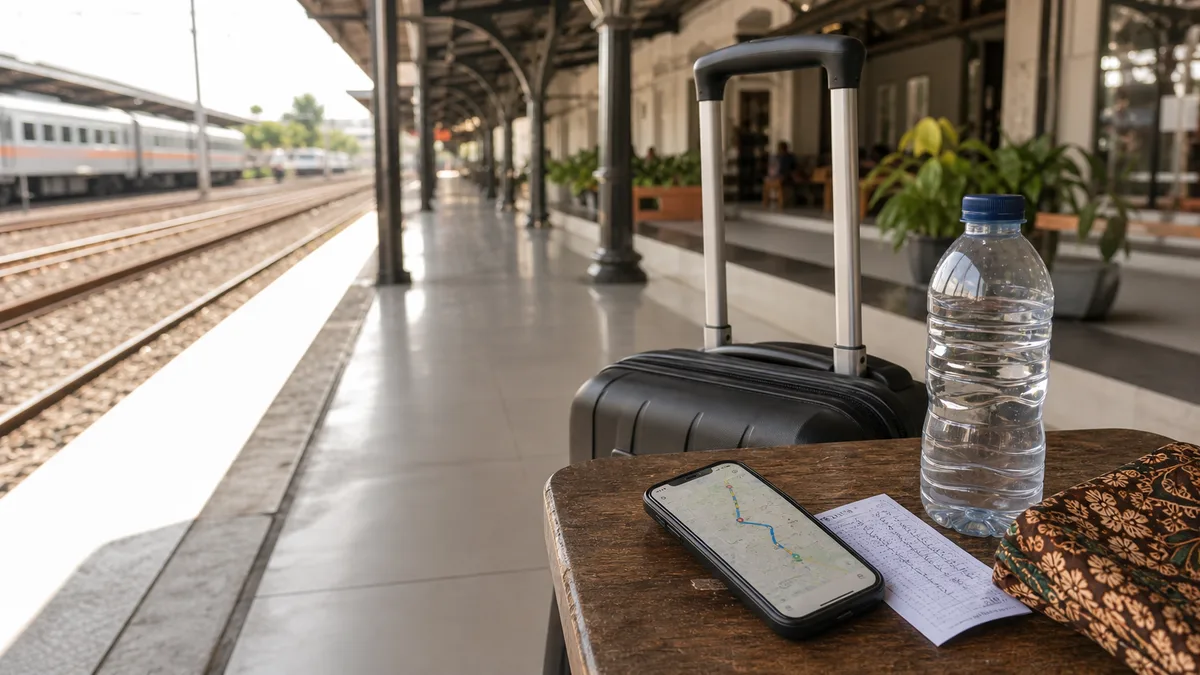
Jogja is easier when YIA, Tugu Station, Malioboro and your hotel are not treated as one tiny dot on the map.
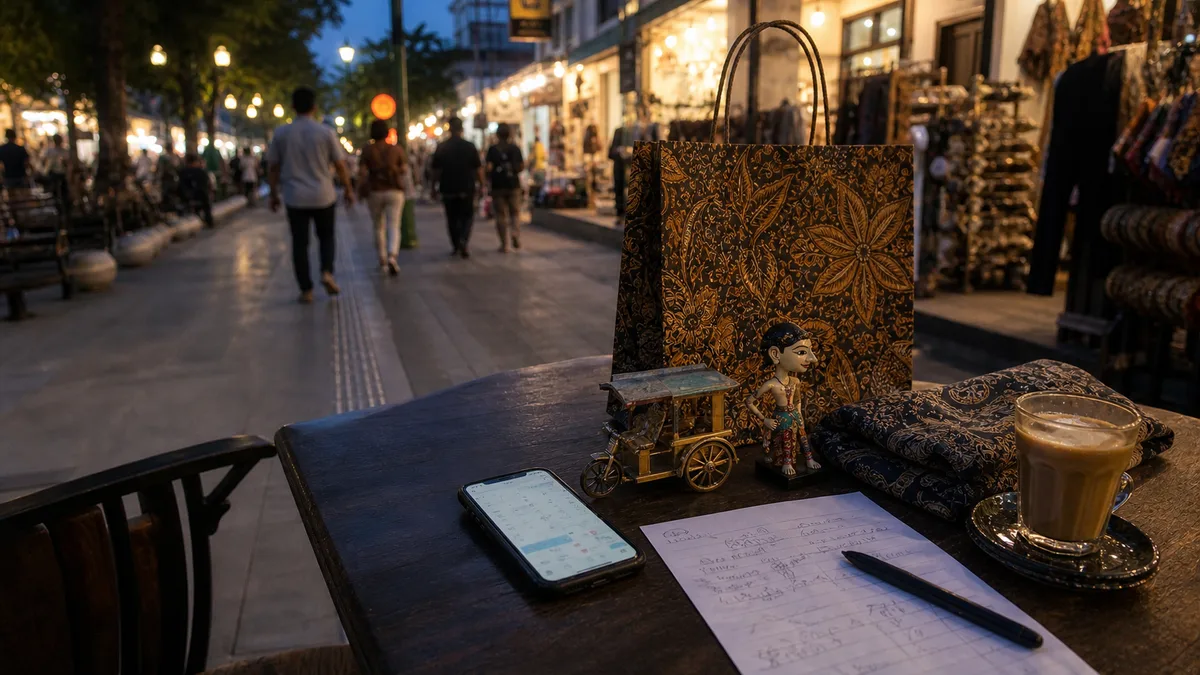
Borobudur, Prambanan, Merapi and Solo are not the same kind of day. Pick the trip before picking the transport.
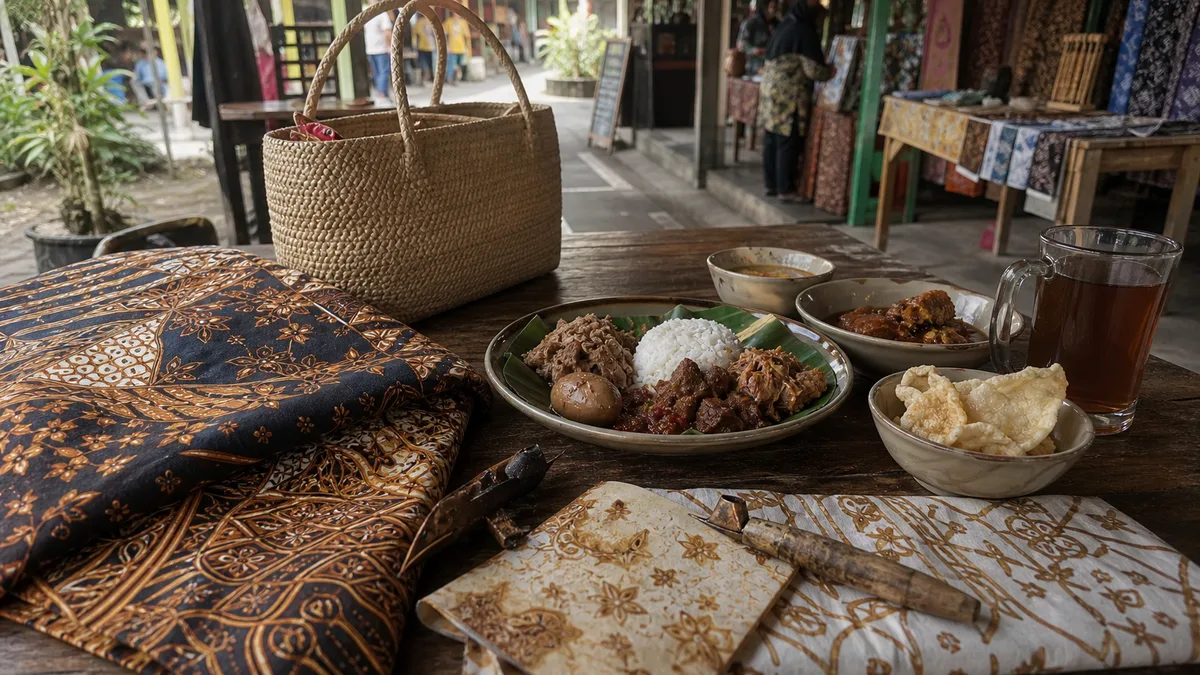
Gudeg is sweet. Bakpia freshness matters. Angkringan is a mood, not a full dinner plan for everyone.
Jogja shopping is strongest when you understand batik, silver, markets and what is actually handmade.
Use these when the question is where to sleep, how many days to give Jogja, or whether an event changes the plan.
Reality check
Jogja is a working city with royal-court culture, student energy, food, batik, markets, traffic, heat and serious day trips. Treat the city as the base of the trip, not just a hotel address between Borobudur photos.
Choose your Jogja baseUpdated and checked
Written by Freddie. Last updated .
Planning ranges come from the current Yogyakarta airport and temple guides. Use the linked detail pages for changing YIA train schedules, Borobudur ticket types, Prambanan hours, event dates, workshop availability, driver terms and holiday crowd checks before you book.