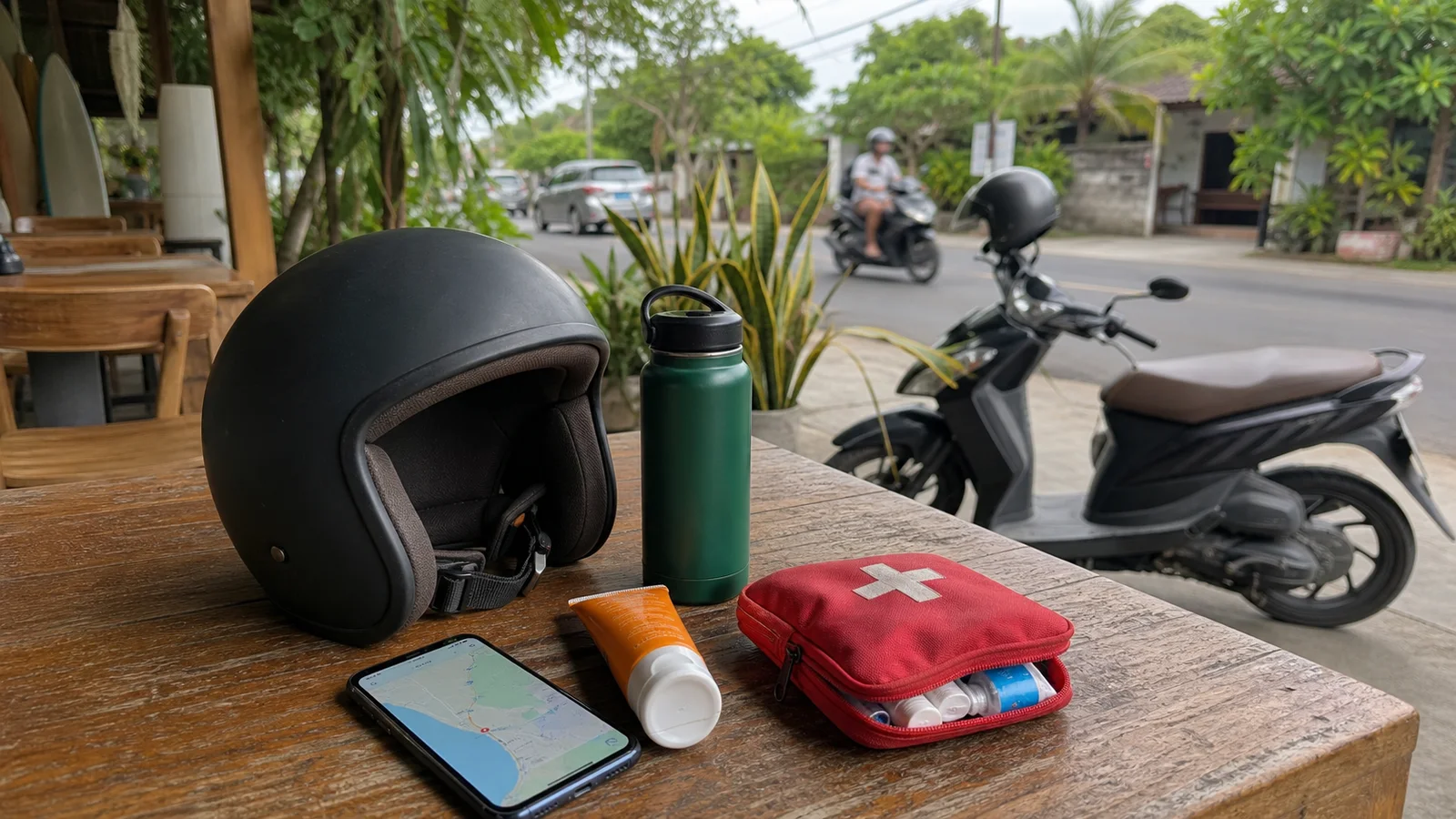
Short answer
Yes, Bali is safe enough for most travelers who make sensible transport, ocean, alcohol and insurance decisions. Take the ocean seriously, watch valuables, stay sharp around alcohol, and buy insurance that actually covers your plans.
The wrong answer is panic. The other wrong answer is “Bali is totally safe, relax.” Bali is a busy island with traffic, surf, nightlife, animals, volcanoes and rain. Most trips are fine. The bad ones often come from boring mistakes.
Quick decision
At a glance: Is Bali safe?
Bali is not a danger zone. It is also not a theme park with coconut trees. Most problems come from transport, water, alcohol, ocean conditions, theft-by-carelessness and ignoring official warnings.
- Overall
- Generally safe for sensible tourists Use normal caution and do not outsource your brain to holiday mode.
- At night
- Fine in busy areas, weaker in isolated spots Use trusted transport, watch drinks and skip dark shortcuts.
- Biggest risk
- Roads and scooters Bad riding decisions cause more real trouble than most tourist scams.
- Families
- Safe with boring logistics Better bases, drivers and pool-friendly hotels beat heroic overplanning.
- Current warnings
- Check official sources before travel Weather, volcanoes, demonstrations and boat conditions can change.
What the official warnings actually mean
Government travel advice is useful, but it is not a Bali panic button. Read it for the boring risks that actually affect trips: road accidents, beach currents, drink spiking, methanol poisoning, petty theft, medical costs, weather, volcanoes and natural disasters.
The practical move is simple: check your own government travel advice before you go, use BMKG for weather warnings, use MAGMA Indonesia for volcano status when relevant, and do not treat a calm beach day, a scooter ride or a boat transfer as risk-free just because everyone else is doing it.
Is Bali safe right now?
For normal tourist routes, Bali is usually a manageable destination when there is no active weather, volcano, protest, ocean or transport disruption affecting your plans. That sentence has a boring condition for a reason: “safe right now” is not a permanent setting.
Check official advice before travel, especially if your plans involve boats, volcano hikes, remote roads, rainy-season waterfalls, late-night nightlife or tight airport transfers. For country-level alerts, check your own government travel advice. For weather, use BMKG. For volcano status, use MAGMA Indonesia. For local behavior rules and tourist guidance, use official Bali government channels. Random social posts can be useful as a warning sign, but they are not the source of truth.
Bali safety overview
| Risk | How serious is it? | Practical answer |
|---|---|---|
| Scooters and roads | High | Do not ride unless you are licensed, insured, sober, helmeted and genuinely competent. |
| Ocean and boats | Medium to high | Swim where conditions are suitable, respect flags and avoid rough-sea boat transfers. |
| Food and water | Medium | Avoid tap water, use food judgment and plan for stomach trouble. |
| Petty theft | Medium | Phone and bag control matter in tourist areas, traffic, nightlife and villas. |
| Scams and bad value | Medium | Separate fraud from normal tourist pricing and convenience premiums. |
| Nightlife and alcohol | Medium to high | Watch drinks, avoid mystery alcohol and do not ride after drinking. |
| Natural hazards | Variable | Check BMKG, MAGMA and local advice before volcano hikes, boats and rainy-season plans. |
Safer setup by traveler type
| Traveler type | Safer setup | Avoid |
|---|---|---|
| First-time visitor | Sanur, Seminyak, central Ubud or Nusa Dua plus app cars, taxis or drivers | Remote villa without a transport plan |
| Family with kids | Pool-aware hotel, calmer base, private driver for awkward days | Rough surf beaches, too many day trips and unfenced pools |
| Solo female traveler | Central stay, trusted rides, drink control and easy late-night return | Dark villa lanes, isolated beach paths and improvised 2 a.m. transport |
| No-scooter traveler | Walkable base plus Grab, Gojek, taxis and drivers for day trips | Canggu or Uluwatu stays that secretly require a scooter |
| Nightlife trip | Seminyak or Canggu with ride home planned before drinking | Scooter after alcohol, mystery drinks and dark shortcuts |
| Surf or beach trip | Check flags, currents, reef, tide and lifeguards before swimming | Treating a surf beach like a hotel pool |
Is Bali safe at night?
Bali is generally safe at night in busy tourist areas if you use basic judgment: stay on lit streets, use trusted rides, keep your phone under control, watch your drink and do not stumble home alone through shortcuts you would not use sober.
The risk changes by area. A busy street in Seminyak, Sanur, central Ubud or parts of Canggu is not the same as a dark villa lane, a quiet beach access path, an isolated parking area or a late-night road with fast scooters and no sidewalk.
The bigger night risks are usually not cinematic crime. They are drink spiking, methanol, phone snatching, bad ride choices, drunken scooter riding, arguments outside clubs, and losing track of where your villa actually is.
If you are coming back late, use Grab, Gojek, Bluebird, a hotel-arranged ride or a known driver. Do not make “I will figure it out later” your nightlife transport plan. Later is when the bad decisions clock in.
Safest areas to stay in Bali
No area in Bali is magic. The safest-feeling area is usually the one that matches your trip style and reduces unnecessary movement.
| Area | Safety feel | Good for | Watch out for |
|---|---|---|---|
| Sanur | Calm and practical | Families, older travelers, low-drama beach days | Quiet nightlife, still watch road crossings and beach conditions |
| Central Ubud | Manageable if you stay central | Culture, food, first-timers, no-scooter trips | Dark villa lanes and traffic around main streets |
| Seminyak | Busy and convenient | Restaurants, shopping, nightlife, couples | Drink control, phone snatching and traffic |
| Nusa Dua | Resort-heavy and controlled | Families, resort trips, lower-friction stays | Less local movement, higher prices |
| Canggu | Popular but messy | Cafes, surf, nightlife, digital nomads | Traffic, scooters, late-night riding and side-road villas |
| Uluwatu | Beautiful but spread out | Surf, beaches, cliff hotels | Transport gaps, dark roads and rougher ocean conditions |
| Kuta and Legian | Busy and familiar | Budget stays, nightlife, airport proximity | Petty theft, drinking decisions and tourist chaos |
If you want the lowest-friction first trip, Sanur, central Ubud, Seminyak or Nusa Dua are easier to manage than a remote villa with a pretty pool and no transport plan. Use the Bali area guide before choosing a dramatic villa that turns every dinner, pharmacy run and ride home into logistics.
Cheap remote stays can be safe, but they are not always easy. For families, private-pool villas deserve extra attention: check whether the pool is fenced or easy to supervise, whether doors lock properly and whether toddlers can reach the water before an adult notices. Pool safety is boring until it is not.
Roads and scooter safety
This is the section people want to skip because scooters look fun and private drivers feel less cool. Bad news: road safety is probably the biggest Bali safety issue for tourists.
Bali traffic is crowded, improvised and full of motorbikes. Dogs, potholes, sand, rain, trucks, tourists, ceremonies and sudden stops all join the party. If you learned to ride yesterday in Canggu, you are not “basically local.” You are a liability with sunglasses.
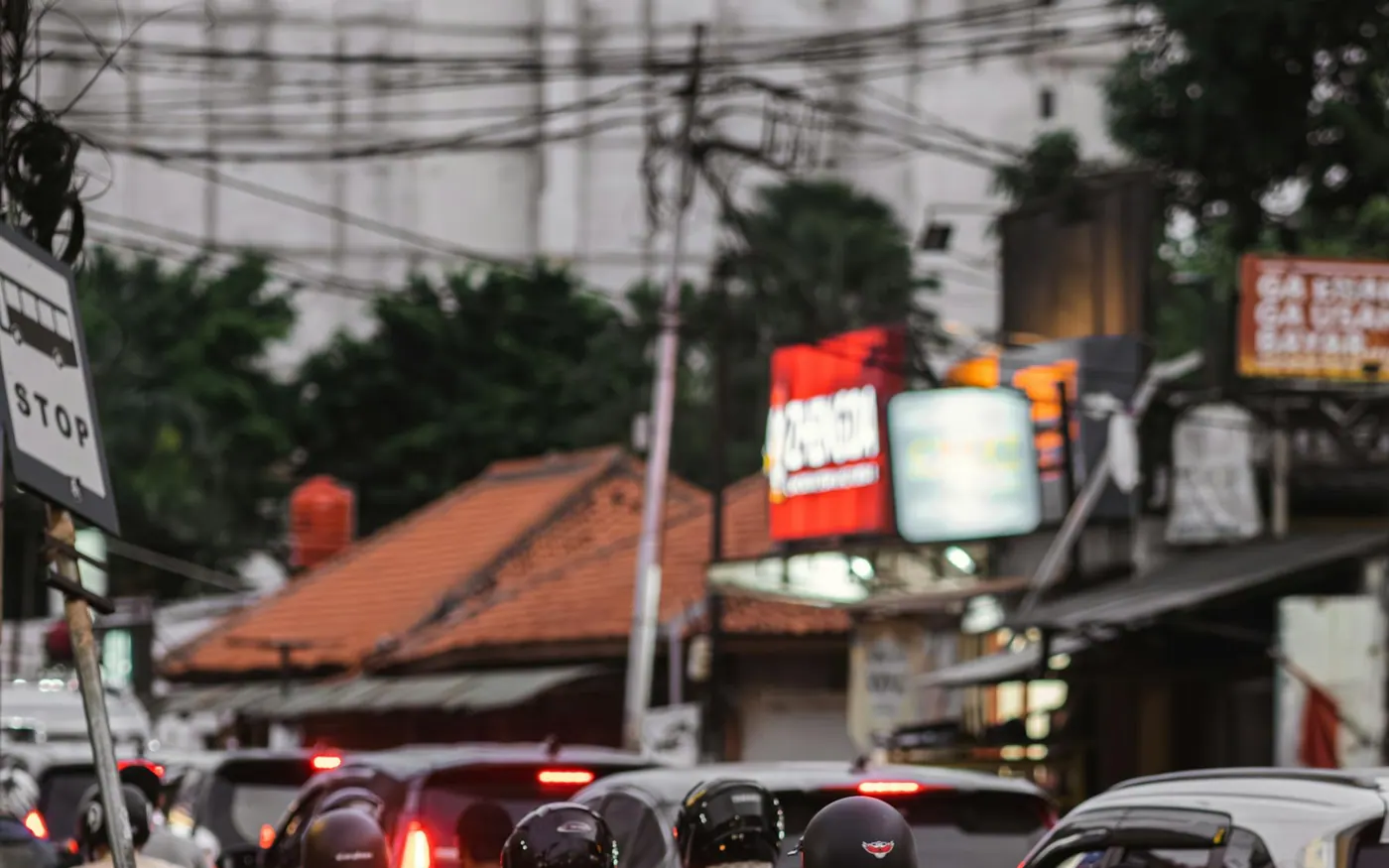
Ride only if all of this is true:
- You have the correct motorcycle licence and International Driving Permit where required.
- Your travel insurance covers scooter or motorbike riding.
- You wear a real helmet every time.
- You are sober.
- You are comfortable in chaotic traffic, not just on an empty road at home.
- You can handle wet roads, gravel, hills and emergency braking.
If that list feels annoying, use Grab, Gojek, taxis or a private driver. For longer day trips, a driver is often the adult choice. You pay more, but you also avoid navigation stress, parking, police stops, fatigue and the small problem of crashing your holiday.
Scooters can be practical for experienced riders. They are also the easiest way for inexperienced tourists to turn a cheap day into a hospital deposit. Use the Bali scooter rental guide before deciding that “everyone does it” is a safety plan.
Are Bali beaches safe to swim?
Bali beaches can look easy from a cafe chair and behave differently once you are in the water. Surf, reef, rocks, tides and rip currents are not decorations.
Do not assume a beach is safe for swimming because other people are standing near the water. Swim near lifeguards where available, read warning flags, ask locally, and skip swimming when surf is rough. If a beach is famous for surfing, that is not automatically a family swimming endorsement.
For families, Sanur often feels easier than exposed west-coast surf beaches, but calm-looking water can change with tide and weather. Stay close to children and do not outsource ocean judgment to inflatable toys.
Boat trips need the same caution. Fast boats can be convenient, but sea conditions change quickly and operators vary. Check conditions, avoid overloaded boats, look for life jackets and reconsider if the weather is ugly. Cheap is not always smart when the sea is doing sea things.
Is Bali food, ice and water safe?
Do not drink tap water. Use bottled or properly filtered water, including for brushing teeth if your stomach is sensitive. Ice in established restaurants and hotels is often commercially produced, but if a place looks careless, use your judgment.
Food risk is not solved by only eating expensive food. You can get sick from a polished place and be fine at a busy warung. Look for turnover, hot food served hot and clean handling. Avoid buffet trays that have been sitting around too long.
Bring oral rehydration salts, basic stomach medication you tolerate, and prescriptions in original packaging with documentation. Do not buy random antibiotics because a person online said it fixed them in two hours. If symptoms are severe or a child is sick, get medical help.
CDC guidance for Indonesia includes routine vaccine review, hepatitis A and typhoid considerations, rabies risk, mosquito-borne diseases and food and water precautions. CDC lists no malaria transmission in Bali resort areas, but dengue is still a real mosquito problem. Use repellent.
ATMs, money, hotel safes and villa security
ATM safety in Bali is mostly boring prevention. Use ATMs inside banks, malls, supermarkets, airport areas or busy guarded locations when possible. Shield your PIN, check the card slot, avoid machines that look tampered with, and do not accept “help” from a stranger if your card has a problem.
Money changers are another classic trap. Use licensed, professional-looking counters with clear rates and count the money yourself before leaving. If the rate looks absurdly better than everywhere else, congratulations, you found the plot.
Hotel safes are useful for reducing casual theft, but they are not a bank vault. Keep passport copies, cards and emergency contacts backed up. In villas, lock doors and windows properly, especially in ground-floor rooms and quiet lanes. A villa with open doors, visible laptops and everyone at dinner is not a spiritual lifestyle choice. It is an invitation.
At the airport, normal tourist caution is enough: keep bags close, use official counters or app pickup flows, and do not hand luggage to random helpers who then demand money. Airport inconvenience is not always a scam, but unclear money requests deserve a hard no.
Scams, tourist prices and petty theft
Bali has scams. Bali also has tourist pricing, bad value, negotiation, confusion and convenience premiums. These are not all the same thing.
Scam: an ATM has a fake help number and someone tries to get your card details. Bad value: a tour costs more than it is worth because you did not compare anything. Tourist price: a vendor quotes a higher opening price because you are in a tourist area. Convenience premium: a driver or hotel desk costs more because it is easier right now. Miscommunication: you thought the price included something and the operator thought it did not.
Real scams to watch for include unlicensed money changers short-changing customers, card skimming, fake tickets, pressure sales, and unclear spa, tattoo or salon pricing. Use licensed money changers, keep your card in sight, agree prices before service, and do not hand over your passport without a legitimate reason.
Petty theft is more ordinary: phone snatching, pickpocketing, bags left loose on chairs, valuables visible in cars, villa doors left open and drunk tourists becoming easy targets. Keep your bag away from the road side, do not ride with a phone dangling in your hand, and lock villas properly.
Nightlife, alcohol and drugs
Bali nightlife can be fun. It can also be where common sense goes missing in flip-flops.
Watch your drink being made, do not leave it unattended, and be cautious with drinks from strangers. Australia and the UK warn about drink spiking and methanol poisoning in Indonesia, including Bali. Methanol cannot be reliably detected by taste or smell. Avoid homemade spirits, mystery arak, suspiciously cheap cocktails and bottles that do not look right. If someone feels unusually unwell after drinking, get medical help quickly.
Do not ride after drinking. Do not argue with security, police, drivers or strangers outside clubs. Do not bring illegal drugs into the conversation at all. Indonesian drug laws are severe, and a foreign prescription does not magically legalize cannabis products, THC, CBD or other controlled substances in Indonesia.
Pay for a ride back and move on. Your budget will recover faster than your passport or court case.
Local laws, temples and behavior
Bali is relaxed in many tourist areas, but it is still a living Hindu-majority island inside Indonesia. That means temple rules, dress expectations, offerings, ceremonies, drugs, visas and work rules are not optional background decoration.
Use a sarong or appropriate clothing when required, follow temple instructions, do not climb sacred structures or trees, do not interrupt ceremonies for a photo, and do not treat social media attention as a legal defence. Love Bali and government travel advice both point travelers toward respectful behavior and local-rule awareness.
Also keep the boring paperwork clean. Use official channels for Bali visa planning and the Bali Tourist Levy. Do not work remotely in a way that violates your visa conditions just because your laptop is near a pool.
Is Bali safe for women, families and different travelers?
Solo travelers can have a manageable Bali trip with sensible accommodation, transport and nightlife choices. Stay somewhere with easy ride-hailing access or walkable food, tell someone where you are going for late plans, and do not make your final ride home depend on improvisation at 2 a.m.
Solo female travelers should be alert around nightlife, isolated roads, villa access and beach areas after dark. That is practical risk management in a place where alcohol, traffic, tourism and uneven enforcement overlap. Use trusted rides, control your drink, avoid poorly lit shortcuts and leave early if the vibe feels off.
Families should plan less and buffer more. The danger is often exhausted parents trying to combine a waterfall, a temple, a beach club and a two-hour transfer with hungry children. Choose hotels with safe access, use drivers when routes are awkward, bring child-appropriate medicine and respect heat, naps and traffic. With villas, check pool access, stairs, balcony rails, road access and how quickly you can reach medical help.
Travelers from the U.S., Australia, the UK, Canada and Europe should treat Bali as a normal international trip with different road rules, different medical systems, different laws and different social norms. Your passport does not make scooters safer, drugs legal or ocean currents negotiable.
Black travelers, Muslim travelers, Jewish travelers and other minority travelers should not assume Bali is free of awkward moments, staring or clumsy questions, but mainstream tourist Bali is used to a wide range of visitors. The practical advice is the same: choose a sensible base, use reliable transport, avoid heated arguments and keep documents and emergency contacts accessible.
LGBTQ travelers should know that Bali is generally more relaxed than some parts of Indonesia, but Indonesia is still socially conservative in many settings. Public discretion is sensible, especially outside heavily touristed areas. Couples can still have a good trip; just read the room, especially away from tourist zones.
Pregnant travelers, babymoon couples and families with babies should be more conservative with heat, food, water, long transfers, boat trips, remote areas and medical access. Bali can work with kids and babies, but do not build the trip around aggressive day trips and then act shocked when a toddler hates your waterfall schedule.
Animals, monkeys and rabies
Animals are relevant because rabies is relevant. Dogs, monkeys and bats can bite or scratch, and CDC advises prompt wound washing and medical care after animal exposure.
Monkey forests and temple areas are not petting zoos. Do not carry loose food, tease animals, take close selfies or panic-flail if one comes near you. If you are bitten or scratched, wash the wound with soap and clean water and seek medical help urgently.
Street dogs are part of the environment in many areas. Most will ignore you. Ignore them back. Feeding or provoking animals can turn a nice impulse into a medical problem.
Earthquakes, volcanoes and weather
Bali sits in a region with earthquakes, tsunamis, volcanoes, heavy rain, flooding, landslides and rough seas. This does not mean you should stare at disaster maps all day. It means you should check conditions when your plan depends on conditions.
MAGMA Indonesia is the source to check for current volcano status. If you are planning a volcano hike, check MAGMA, local guide advice and closure notices. Do not climb sacred or restricted areas because someone on social media did it before breakfast.
BMKG is the place to check weather warnings. Rainy-season planning matters because heavy rain can affect roads, waterfalls, rice terrace paths, beaches, boats and airport transfers. If a route is flooding or the sea is rough, change the plan.
Do not enter waterfalls, rivers, canyons or flooded roads after heavy rain just because other tourists are doing it. Flash floods and slippery paths do not care that the itinerary looked better with one more stop.
For earthquakes, know your hotel exits, keep shoes and a phone near the bed, and follow local instructions. If you feel strong shaking near the coast and official instructions tell you to move inland or uphill, do that.
Health care and insurance
Bali has private clinics and hospitals used by tourists, but serious treatment, evacuation and payment can get expensive quickly. Government advisories warn that hospitals may require deposits or proof of insurance. Travel insurance is not a decorative PDF.
Check these points before you buy or rely on a policy:
- Does it cover scooter or motorbike riding?
- Does it require a motorcycle licence, IDP and helmet?
- Does it exclude accidents involving alcohol?
- Does it cover surfing, diving, hiking, waterfalls, boats or adventure activities?
- Does it include medical evacuation?
- What number do you call before treatment, if any?
Worth paying extra? Yes, if the policy covers what you will actually do. A cheap policy that excludes your main activities is not a bargain.
For emergencies, U.S. State Department country information lists Indonesian emergency numbers as 110 for police, 113 for fire, and 118 or 119 for medical emergencies. Response standards and ambulance availability vary, so your hotel, host, insurer or consulate can also matter. Save key numbers before you need them.
Common mistakes
The common Bali safety mistakes are painfully predictable:
- Renting a scooter with no licence, no real experience and no insurance cover.
- Riding without a helmet because the ride is “just five minutes.”
- Swimming without checking flags, tides or currents.
- Taking a fast boat in bad conditions because the hotel is booked.
- Leaving phones on restaurant tables or road-side while walking.
- Treating every price difference as a scam.
- Drinking mystery alcohol or losing track of drinks in clubs.
- Staying in a remote villa with no transport plan.
- Packing a day with too many stops and making the riskiest decisions when tired.
- Assuming travel insurance covers everything because the word “travel” is in the name.
Let us be honest: most of this is basic judgment. Bali rewards people who keep the trip simple enough to manage.
What to do if something goes wrong
If there is an accident, medical issue, theft or assault, get safe first. Then contact people who can actually help: hotel staff, your insurer, police, medical services, your embassy or consulate, and a trusted local contact if you have one.
| Situation | First step | Then |
|---|---|---|
| Scooter or traffic accident | Get out of traffic and get medical help | Contact insurer early, document the scene and follow police/reporting steps if needed |
| Theft or card loss | Block cards, secure phone/SIM access and tell hotel staff | File a police report if insurance needs it |
| Animal bite or scratch | Wash the wound immediately with soap and clean water | Get medical care urgently and follow rabies-exposure advice |
| Drink-spiking suspicion | Do not go home alone or let the person sleep it off | Get medical help, involve a trusted person and consider consular support |
| Lost passport | Check digital/offline copies and contact your embassy or consulate | Keep police report and replacement-document instructions for airlines and immigration |
Keep copies of your passport, visa, insurance policy and emergency contacts offline. If your phone disappears, your plan should not disappear with it.
FAQ
Is Bali safe for first-time visitors?
Usually, yes. Bali is manageable for first-time visitors who choose a practical base, use sensible transport, respect the ocean, watch drinks and buy insurance that covers the activities they actually plan.
Is Bali safe right now?
Usually, Bali is manageable for normal tourist trips, but check current official advice before travel. Weather, volcanoes, ocean conditions, demonstrations, boat disruptions, fake entry websites and road problems can change the answer for a specific date or route.
Is Bali safe at night?
Busy tourist areas are usually manageable at night, but dark villa lanes, isolated beach access paths, late-night roads and nightlife zones need more caution. Use trusted transport, watch your drink and do not ride a scooter after alcohol.
Is Bali safe for solo female travelers and women at night?
It can be, but plan the boring parts. Stay somewhere with easy transport, avoid poorly lit shortcuts, control your drink and leave early if the situation feels off. The point is not fear. The point is not making 2 a.m. logistics your personality test.
Is Bali safe for families, babies and toddlers?
Yes, if you choose easy bases, safe hotel access, sensible transport and realistic days. Be careful with heat, pools, beaches, scooters, road crossings, food, water and long transfers. With toddlers, pick calmer bases and do fewer things.
Is Bali safe for LGBTQ travelers?
Tourist Bali is generally more relaxed than some other parts of Indonesia, but Indonesia is socially conservative in many settings. Public discretion is sensible, especially outside tourist areas.
Is it safe to rent a scooter in Bali?
Only if you are licensed, insured, sober, helmeted and already competent in busy motorbike traffic. Otherwise use a driver or ride-hailing.
Is tap water and ice safe in Bali?
Tap water is not safe to drink. Use bottled or properly filtered water. Ice in established restaurants, hotels and many cafes is often commercially produced and usually fine, but skip it in places that look careless. Your stomach is not a laboratory.
Are Bali beaches safe for swimming?
Some are easier than others, but conditions change. Check flags, currents, surf, tides and lifeguard presence. Do not treat surf beaches as swimming pools.
What are the safest areas in Bali?
For lower-friction trips, Sanur, central Ubud, Seminyak and Nusa Dua are often easier to manage than remote villa areas. Canggu, Uluwatu and Kuta can work, but each has trade-offs: traffic and surf in Canggu, spread-out cliff roads in Uluwatu, and petty theft or nightlife decisions in Kuta.
Do I need travel insurance for Bali?
Yes. More importantly, you need insurance that covers your actual activities: scooters, surfing, diving, hikes, boats, medical evacuation and alcohol exclusions where relevant.
Sources for changing details
Travel advisories, emergency contacts, health guidance, road conditions, boat safety, weather alerts, park access and local rules can change. Use these pages before relying on exact safety details.

I'm the person behind Simply Indonesia. I lived in Yogyakarta and Bali for more than five years, which is long enough to know that Indonesia is amazing, messy, generous, occasionally confusing and very bad at fitting into generic travel-blog advice.
I'm also a manual-brew coffee nerd, dangerously loyal to sate klathak, and far too interested in the small practical details that decide whether a trip feels smooth or stupidly annoying.
I write these guides for travelers who want the useful version: how to get out of the airport, where to stay, what food actually tastes like, when paying extra is normal, and when something really deserves a hard no.
No fake hidden gems. No "paradise awaits" nonsense. No panic about every 50k IDR price difference.